A dark, atmospheric historical novel. Here the horror is how quickly hatred can spread in a town rather than the question of whether witches are real.
Plot in a Nutshell
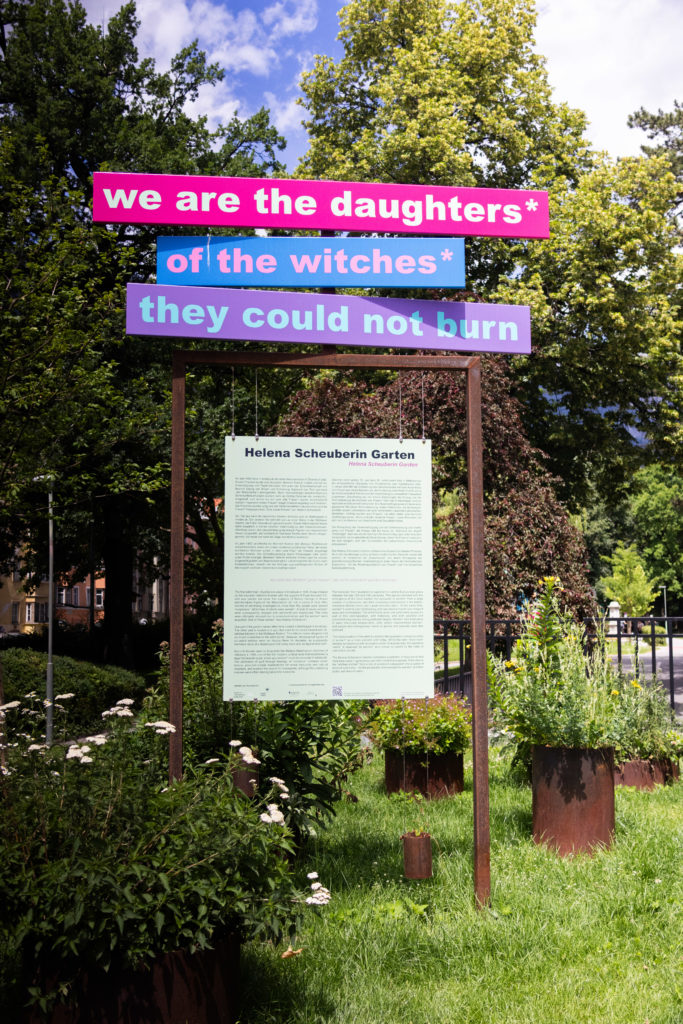
Helena Scheuberin is a real woman, alive in late fifteenth-century Innsbruck: relatively wealthy, married, and struggling to conceive. In Cooke’s telling, her life begins to fracture after a male doctor suggests, with literary license versus reality, that she become pregnant by another man. Then he suggests her husband claim the child as his own.
At the same time, the inquisitor Heinrich Kramer arrives in Innsbruck after an inquisition in a nearby town. There Helena’s oldest friend and her young daughter had been burned alive, leaving Helena distraught but angry. As Kramer begins to seek out evidence of witchcraft in the town Helena is pulled into the investigation and imprisoned.
Thoughts
At first glance I thought this was a traditional example of historical fiction. It is well researched novel about European witchcraft accusations, religious authority and the casual yet cruel misogyny both create. Taken as such this is still a captivating novel. Cooke does a strong job of showing how persecution happens. We see rumour mutate into fact, how the most vulnerable become easy targets whilst power protects itself.
But the book was more interesting than that reading alone. Rather than treating the accused women as misunderstood midwifes, herbalists or scapegoats Cooke introduces the possibility of actual magic and witchraft. Hecate, goddess of magic and witches appears. And there is a ghostly undertone and the story budges towards horror in a way I hadn’t expected but very much enjoyed. It adds complexity, highlighting the desperation of the women but also adding tones of grey to some of the moral argument of right and wrong.
However dark these additions are, they do not take away from the real darkness at the heart of the novel. For me this was the ability of one loud voice, spoken with power, to quickly turn a community against itself. Kramer has a unpleasant, deep rooted hatred and distaste for women. There is hypocricy at work here. It is strongly intimated that he is desirous of women and Helena in particular. He is altogether odious and manages to quickly whip the towns people into a dangerous frenzy. For a period of time there is a fear of almost all of the women of the town. Through this othering of the women he manages to persuade almost everyone that torture and removal of judicial process is right. This and the casual, yet lethal misogyny sounded like a warning from history.
If this was the story on it’s own I would have really enjoyed it but there were three extra elements that I really enjoyed.
The first is George, a priest sent, with great reluctance, to act as support for Kramer. George is a wonderfully multi dimensional character. He is a priest, mourning the loss of his dearest friend whose death he feels deeply responsible for. He is kind, and quickly horrified by what he sees happening. Despite great personal fear he tries to help Helena and the rest of the women in act after act of bravery. Vis a via character I also appreciated how the toher women were all fleshed out and not simply thin parts for Helena to interact with. Cooke did this really nimbly – we saw each of them and their stories – the sense of what made them vulnerable to Kramer and his court. Yet she also does it in a way that means their stories did not become too big and make the novel clunky.
Finally I really enjoyed how much place mattered throughout this novel. Innsbruck brightly coloured is darkened by the fear and claustrophobia created by Kramer. Vienna, besieged and beleaguered during George’s chapters, has the force of another character. There is a strong sense of a city under pressure and this adds to the atmosphere without ever overwhelming.
The history itself keeps coming. In real life Kramer’s failure to persecute the women of Innsbruck led to him writing Malleus Maleficarum – the controversial Hammer of Witches. This adds an interesting additional layer at the very end of the novel. There is some resolution for the women but there is also a sense of the unfinished. The fact that Kramer’s writing went on to power subsequent generations of women’s suffering leaves ambiguity. I found myself asking who really wins out in the end.
Helena is not the last witch at all.