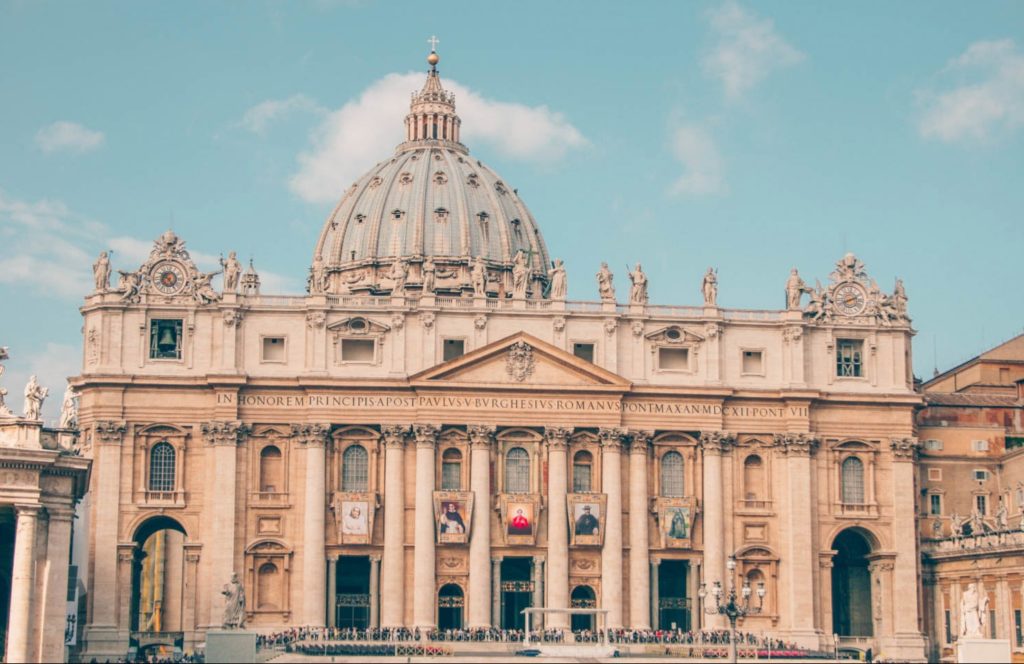
By design Conclave is not action packed. Much of the book is a quiet dialogue between elderly men locked away for the world in a series of rooms. Nevertheless, it is a fascinating view of how the conclave process works to select a new Pope and an interesting take on power, honesty and faith. It was well paced for an easy read that was quick to consume yet a thought provoking read.
Plot in a Nutshell
Cardinal Lomeli is the Dean of the College of Cardinals, a man who is struggling to relocate his faith and disheartened after his attempt to resign was rejected by the Pope. He is woken in the middle of the night to be told the Pope is dead and must therefore manage the intergnum and the election of the new Pope. There are clear favourites for the role and Lomeli’s faith and beliefs are tested further as their ambition and histories become clear and he struggles to decide what the right thing to do might be
Thoughts
In this novel Harris catapults the reader into not just the public, but also the private spaces of the smallest country of earth. His scene setting is fantastic and he takes advantage of the private access he was granted whilst writing this book to the fullest. It’s not just the physical that Harris paints so effectively. He also describes the processes and traditions around conclave; the politics, the prayers and the ritual beautifully. The detail could be nonfiction but the story flows throughout.
Harris develops the characters incredbly well. I don’t know the extent to which the characters are based on real life players, although the Pope whose death kicks off the story seems to have more than a few similarities with Pope Francis, but they certainly reflect the challenges that the modern church faces. There are liberal and traditionalists amongst the candidates and the geographical pulls that have bene seen in the last two conclaves. The desire of the still strong Italians to have an Italian elected versus the excitement of the possibility of an African or North American pope.
So far so good but when the doors lock and we’re left with 118 men grappling with faith, and power struggles it could become a slow read. Not so. Harris steadily tightens the tension. Each inconclusive vote lands heavy, no clear frontrunner emerging. At the same time, Lomeli is forced into a series of moral calculations as troubling details about the leading candidates surface. This dual pressure, the process and the human facor, drives the novel toward a final sequence of twists that, though carefully seeded, still surprised me in how fully they played out.
My favourite Harris novel since Fatherland.